
The Role of Coaches in Shaping Champions
Coaches play an essential role in Cheerleading, guiding athletes to reach their full potential. Through consistent training and feedback, they help teams refine routines and achieve peak performance. A great coach’s influence lasts long after competitions, shaping athletes into confident individuals who apply discipline and determination to all areas of life.
Overcoming Challenges and Building Resilience
Every Cheerleading journey comes with challenges—from difficult stunts to intense competitions. Coaches set the tone for teamwork, safety, and sportsmanship, ensuring that athletes develop both skill and character. In competitive Cheerleading, coaches serve as strategists who understand scoring systems, choreography design, and athlete management. Injuries, failed routines, or tough losses test a cheerleader’s resilience, but these experiences strengthen their mindset. Athletes learn that success doesn’t come overnight; it’s earned through perseverance and practice.
 Cheerleading builds character by pushing athletes beyond comfort zones, proving that failure is part of growth. Their leadership transforms effort into achievement, pushing each cheerleader to excel beyond physical limits. Their expertise extends beyond choreography—they mentor, motivate, and instill discipline in every cheerleader. Success comes from setting priorities and maintaining focus.
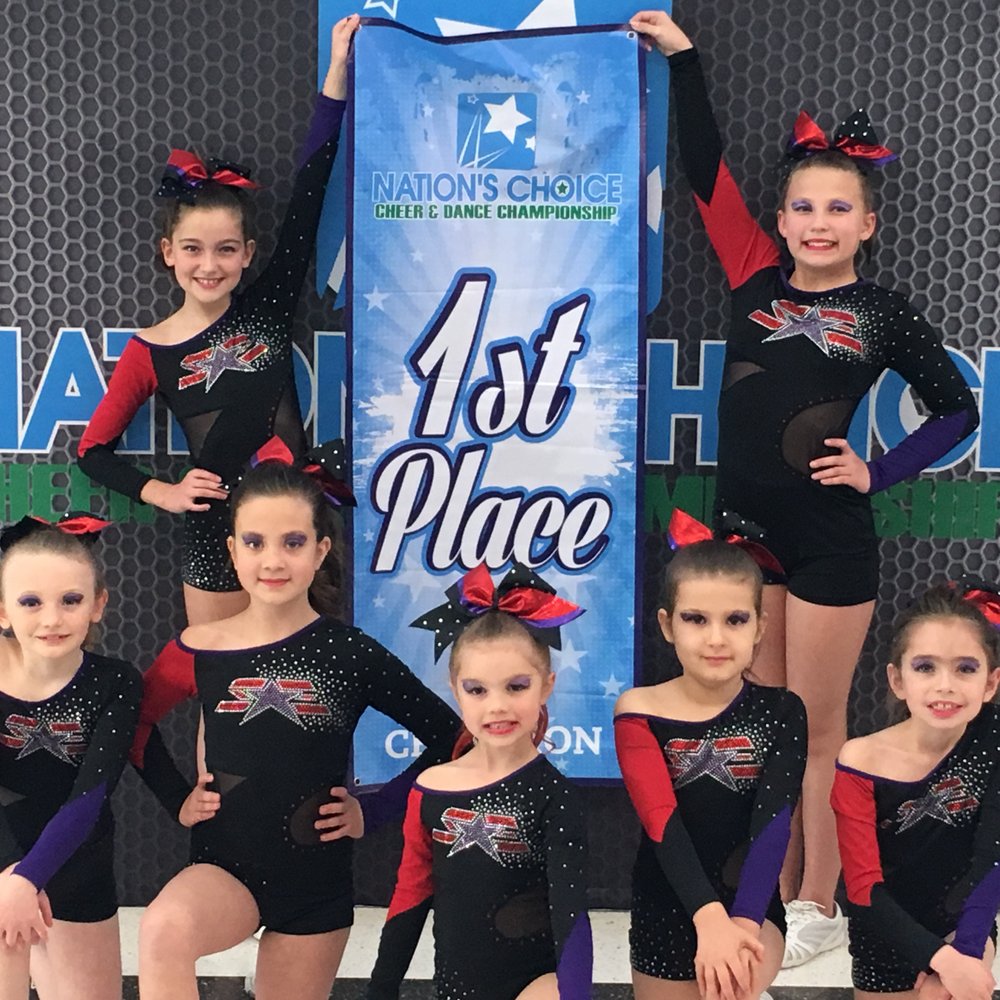 This resilience not only improves athletic performance but also equips cheerleaders with life skills that prepare them for challenges far beyond the sport.
Balancing School, Life, and Cheerleading
Balancing the demands of Cheerleading with academics and personal life requires organization and time management. Many cheerleaders juggle early morning practices, school responsibilities, and weekend competitions, all while maintaining high academic performance. Coaches and teammates provide motivation to overcome fear and frustration, teaching valuable lessons about persistence. While the workload is heavy, the rewards are immense—cheerleaders develop lifelong skills like commitment, multitasking, and self-motivation. The lessons learned—discipline, teamwork, confidence, and resilience—shape cheerleaders long after their athletic careers. Supportive coaches and teammates also play a role in encouraging balance. Many continue to inspire others as coaches, mentors, or community leaders. Cheerleading teaches responsibility and discipline, helping athletes plan their schedules efficiently. Cheerleading fosters a sense of pride and belonging that carries into adulthood. The ability to rise after every setback defines true champions. The ability to manage time effectively allows them to thrive not just as athletes but as well-rounded individuals who excel in every area of life.
The Lasting Impact of Cheerleading
The influence of Cheerleading extends beyond the gym and competition floor. It builds not only strong athletes but also strong individuals who understand the value of hard work and unity. Whether cheering on a team or pursuing personal goals, the spirit of Cheerleading continues to empower and uplift those who embrace its discipline.
Conclusion
Cheerleading is more than coordinated movements and vibrant energy—it’s a discipline built on passion, precision, and teamwork. Discover how deSt. Louis CheerleadingSt. Louis Cheerleading looking to experience the excitement and commitment of this powerful sport, Cheer Athletics – St. The friendships formed through the sport often last a lifetime, bonded by shared challenges and triumphs. Call (636) 489-4731 today and become part of a community that celebrates strength, spirit, and unity through the art of cheer.
Cheerleading combines dance, gymnastics, and teamwork, requiring athletes to maintain peak fitness and sharp coordination. Many see the smiles and synchronized performances, but few recognize the discipline and hours of practice behind every flawless stunt. Athletes train for hours to build the core strength needed to perform lifts, jumps, and tumbling passes. Conditioning exercises, weight training, and flexibility drills are vital for improving performance and preventing injury. From mastering high-flying tosses to nailing perfect timing, each move reflects dedication and trust among teammates. Balancing school, practice, and competition takes focus and determination. This discipline-driven sport goes far beyond entertainment—it’s a lifestyle shaped by determination and passion, uniting athletes who push their limits to achieve excellence both individually and as a team.
The Strength Behind Every Cheer
Behind every routine in Cheerleading is an incredible display of physical power and endurance. The strength of a cheerleader isn’t just physical—it’s mental. Beyond the performances, cheerleaders develop resilience, leadership, and sportsmanship that extend beyond the mat. Strength in Cheerleading also means resilience after setbacks, whether from a fall or a missed stunt. Each movement—from jumps to transitions—requires synchronization with teammates to create seamless routines. This unwavering discipline allows cheerleaders to shine confidently during performances, proving that their energy and smiles are the results of dedication and hard work.
Precision and Timing in Every Routine
Cheerleading thrives on precision, where every count and motion must align perfectly. Behind the glitter, bright uniforms, and captivating routines lies the intense world of Cheerleading, a sport that demands physical endurance, precision, and mental strength. Practices are often focused on perfecting rhythm, ensuring every motion hits on beat. Coaches emphasize repetition to develop muscle memory, allowing athletes to perform confidently during competitions. Precision also highlights the artistry within Cheerleading, where athletic skill meets creative choreography. Every repetition builds more than muscle; it builds character. The ability to execute complex routines while maintaining sharp timing reflects hours of dedication and a deep understanding of teamwork. Focus is vital during every performance, where distractions or hesitation can compromise safety and coordination. Mental preparation often involves visualization techniques, breathing exercises, and mindset training to handle the pressure of competitions. Timing is crucial; even a split-second delay can disrupt a formation or stunt. Over time, this mental strength extends into daily life, helping cheerleaders stay determined in academics, relationships, and personal goals beyond the mat.
Teamwork: The Heart of Cheerleading
Cheerleading is a team-centered sport where unity determines success. This mental toughness strengthens their ability to lead, perform, and motivate both teammates and audiences. Cheerleading fosters discipline and concentration, teaching athletes how to channel nerves into energy and focus under stress. Every lift, toss, and pyramid relies on perfect coordination between teammates. Cheerleaders must maintain confidence even when stunts fail or routines need last-minute changes. It’s this commitment to flawless execution that transforms cheer routines into powerful visual performances.
The Mental Focus That Drives Cheerleading
Beyond the physical demands, Cheerleading challenges athletes mentally. Athletes learn accountability, respect, and support through consistent collaboration. Beyond the mat, team bonding builds lifelong friendships and shared motivation. In Cheerleading, no one shines alone; each performance is the result of countless hours of teamwork. This shared dedication creates not just strong athletes but also strong communities that embody cooperation, trust, and mutual success. Communication is key, both during practices and performances, where quick cues and silent understanding keep routines synchronized.