Erectile dysfunction (ED) is a prevalent condition that affects hundreds of thousands of men worldwide, considerably impacting their quality of life and psychological nicely-being. Conventional treatments akin to phosphodiesterase type 5 inhibitors (PDE5i), vacuum erection gadgets, and penile implants have been extensively used; nonetheless, they don’t deal with the underlying causes of ED in many patients. Recent advances in gene therapy offer a novel approach that could rework the panorama of ED treatment. This text explores the mechanisms, efficacy, and future implications of gene therapy in the management of erectile dysfunction.
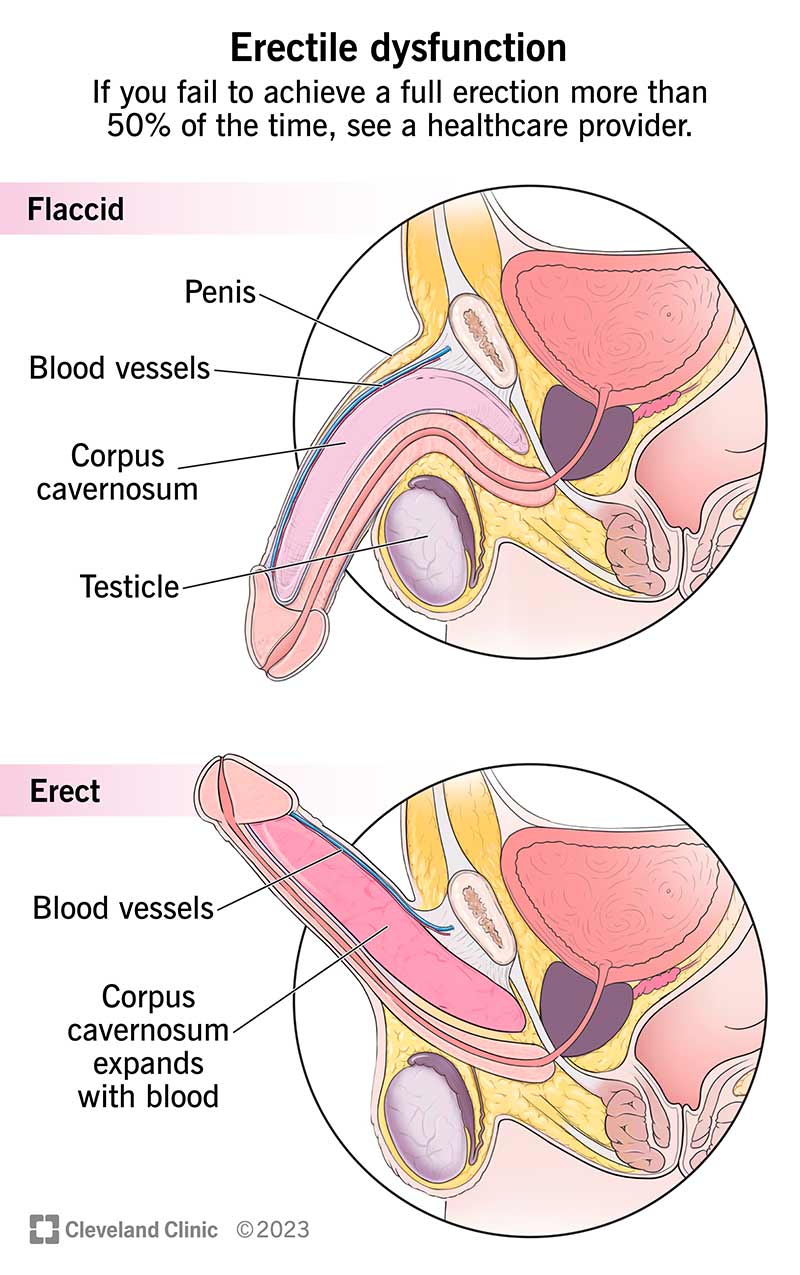
Understanding Erectile Dysfunction
Erectile dysfunction is defined as the lack to attain or maintain an erection enough for satisfactory sexual performance. The causes of ED might be broadly categorized into psychological, neurological, hormonal, and vascular elements. Conditions reminiscent of diabetes, hypertension, and cardiovascular diseases are common contributors to the vascular element of ED, erectile dysfunction treatment while psychological components like stress, anxiety, and depression may play a major role.
Traditional Treatments and Their Limitations
The commonest treatments for ED embody PDE5 inhibitors like sildenafil (Viagra), tadalafil (Cialis), and vardenafil (Levitra). These medications work by enhancing the consequences of nitric oxide, which relaxes the blood vessels in the penis, allowing for increased blood stream and an erection. Whereas effective for many males, these treatments have limitations, together with unwanted effects, contraindications, and the necessity for sexual stimulation.
Other interventions, resembling vacuum erection gadgets and penile implants, can be found but might not be suitable for all patients. Furthermore, these treatments don’t handle the basis causes of ED, leading to a need for more modern therapeutic options.
The Position of Gene Therapy
Gene therapy is an rising subject that entails the introduction, elimination, or alteration of genetic materials within a affected person’s cells to deal with or forestall disease. In the context of ED, gene therapy aims to revive normal erectile perform by targeting the underlying pathophysiological mechanisms.
Mechanisms of Gene Therapy in ED
Gene therapy for ED may be broadly categorized into two approaches: gene delivery systems that improve the production of key molecules involved in erection and those who inhibit pathways that contribute to erectile dysfunction.
- Enhancement of Nitric Oxide Synthase (NOS): Nitric oxide (NO) performs an important position in the erectile response by promoting vasodilation. Gene therapy methods that purpose to extend the expression of endothelial nitric oxide synthase (eNOS) or neuronal nitric oxide synthase (nNOS) have proven promise in animal fashions. By enhancing NO manufacturing, these therapies can improve blood flow to the penis and facilitate erection.
- Inhibition of Vascular Easy Muscle Contraction: One other strategy involves the inhibition of pathways that result in vascular clean muscle contraction. For instance, the overexpression of genes that inhibit the RhoA/Rho-kinase pathway has been proven to promote relaxation of the smooth muscle in the corpus cavernosum, thus enhancing erectile perform.
- Stem Cell Therapy: erectile dysfunction treatment Stem cell-primarily based gene therapy can be being explored as a treatment for ED. Stem cells can differentiate into endothelial cells and smooth muscle cells, potentially restoring the penile tissue’s performance. Moreover, the delivery of growth components through gene therapy can promote angiogenesis and tissue restore.
Preclinical and Clinical Research
Several preclinical studies have demonstrated the efficacy of gene therapy in animal models of ED. As an illustration, studies involving the delivery of eNOS genes via viral vectors have resulted in important improvements in erectile operate in diabetic rats. Additionally, analysis has shown that stem cell therapy can enhance erectile function in fashions of neurogenic ED.
As for clinical functions, early-part human trials are starting to emerge. A notable research published in the Journal of Sexual Medication reported on a trial involving the injection of a gene therapy product targeting eNOS immediately into the penile tissue of patients with ED. Here’s more information about erectile dysfunction treatment (jobs.foodtechconnect.com) visit our site. The outcomes indicated a significant enchancment in erectile operate, with a favorable security profile.
Challenges and Considerations
Whereas the potential of gene therapy for ED is promising, several challenges should be addressed earlier than it becomes a mainstream treatment choice. These embody:
- Delivery Methods: Effective supply of genetic material to the target cells is essential for the success of gene therapy. Researchers are exploring varied supply methods, together with viral vectors and nanoparticles, to enhance the efficiency and specificity of gene switch.
- Security and Long-term Results: The lengthy-time period safety of gene therapy needs thorough investigation. Concerns about immune responses, potential oncogenic effects, and the sturdiness of therapeutic effects should be addressed in clinical trials.
- Regulatory Hurdles: Gene therapy products are topic to rigorous regulatory scrutiny. Making certain compliance with safety and efficacy requirements will probably be essential for the approval and adoption of those therapies.
Future Implications
The advent of gene therapy for ED represents a paradigm shift within the administration of this condition. As analysis progresses, gene therapy may provide a curative approach somewhat than merely symptomatic relief. The flexibility to treat the underlying causes of ED by means of genetic modulation holds the potential to enhance not solely erectile function but also general sexual health and quality of life for millions of males.
Conclusion
Erectile dysfunction remains a major health issue for many males, necessitating progressive treatment strategies. Gene therapy offers a promising avenue for addressing the root causes of ED and restoring erectile function. Whereas challenges remain, ongoing analysis and clinical trials are paving the way for the way forward for ED treatment. As we proceed to explore the therapeutic potential of gene therapy, it is essential to remain vigilant in ensuring patient security and efficacy, finally aiming to enhance the standard of life for these affected by this situation.