
Thailand’s pet food industry is thriving, with the country ranking as the world’s fourth-largest exporter of pet food, generating over USD 2.5 billion annually. The domestic market is equally robust, projected to reach USD 2.22 billion in 2025 with a compound annual growth rate (CAGR) of 10.85%. As pet ownership rises, particularly for cats, which account for 20.3% of Thailand’s pet population, and consumer preferences shift toward premium and sustainable products, the role of high-quality pet food packaging becomes increasingly critical. Investing in superior packaging is not just a matter of aesthetics; it’s a strategic decision that impacts product safety, shelf life, brand perception, and market competitiveness. This article examines why pet food companies should prioritize high-quality pet food packaging in Thailand, drawing on market insights and addressing five frequently asked questions to inform decision-making.
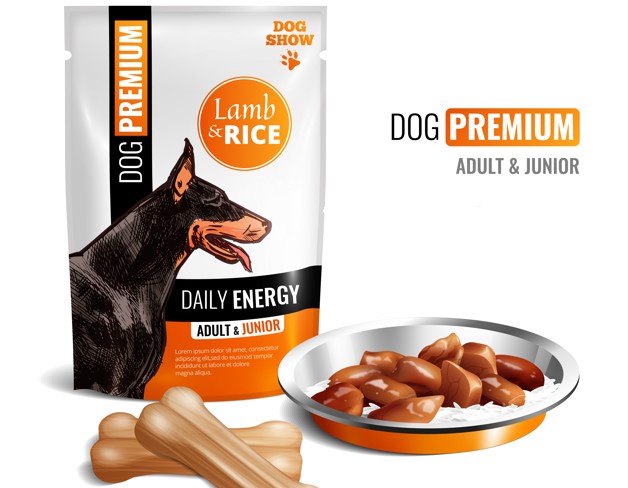
The Strategic Importance of High-Quality Pet Food Packaging
Pet food packaging serves as the first point of interaction between a brand and its consumers. In Thailand, where pet humanization is driving demand for premium products, packaging must do more than protect the contents—it must convey quality, ensure convenience, and align with cultural and environmental values. High-quality packaging enhances product integrity, meets regulatory standards, and differentiates brands in a competitive market. For Thai manufacturers, who export to over 80 countries, investing in advanced packaging solutions is essential to maintain Thailand’s reputation as a global leader in pet food production.
1. Ensuring Product Safety and Freshness
High-quality packaging is crucial for preserving the nutritional value and safety of pet food, particularly in Thailand’s hot and humid climate. Poor packaging can lead to spoilage, contamination, or nutrient degradation, posing health risks to pets and damaging brand reputation. Advanced materials, such as high-barrier laminates (e.g., PET/AL/NY/PE) and aluminum cans, provide robust protection against moisture, oxygen, and UV light, extending shelf life to 12-18 months for wet food and up to 24 months for dry food. For example, metal cans used for damp pet food ensure sterilization and prevent bacterial growth, while flat-bottom pouches with zippers keep dry kibble fresh and dry. Investing in such packaging reduces product recalls and ensures compliance with Thailand’s Department of Livestock Development (DLD) regulations and international standards, such as AAFCO.
2. Enhancing Brand Appeal and Consumer Trust
In Thailand, where pet owners increasingly view their pets as part of the family, packaging serves as a powerful branding tool. High-quality packaging with vibrant designs, clear windows, and premium finishes, such as matte or glossy coatings, signals quality and builds trust. For instance, spout pouches for cat treats or stand-up pouches with resealable zippers cater to urban consumers who value convenience and aesthetics. Packaging that reflects Thailand’s cultural affinity for cats—through cat-themed designs or vibrant colors—can resonate emotionally with consumers. Moreover, transparent windows allow pet owners to inspect the product, reinforcing confidence in the brand. Companies like SmartHeart and Royal Canin leverage such packaging to dominate the Thai market.
3. Meeting Sustainability Expectations
Sustainability is a growing priority for Thai consumers, with 68% of pet owners preferring eco-friendly products, according to recent surveys. High-quality packaging incorporates recyclable or biodegradable materials, such as aluminum cans, paperboard cartons, or mono-material PE/PE pouches, reducing environmental impact. For example, Eviosys’s recyclable aluminum cans and paperboard solutions, such as IntegraFlute™, align with Thailand’s push for sustainable practices. Investing in eco-friendly packaging not only meets consumer demand but also positions companies as responsible brands, enhancing their appeal in both domestic and export markets. This is particularly important, as Thailand aims to reduce plastic waste by 30% by 2030 in line with its national sustainability goals.
4. Supporting Export Competitiveness
Thailand’s pet food exports are a cornerstone of its economy, with major markets including the US, Japan, and Europe. High-quality packaging is non-negotiable for meeting stringent international regulations and consumer expectations in these markets. For instance, European buyers demand recyclable packaging, whereas US markets prioritize convenience features, such as single-serve pouches. Advanced packaging technologies, such as vacuum-sealed pouches or retortable cans, ensure products remain fresh during long shipping times. By investing in premium packaging, Thai companies can maintain their competitive edge, command higher price points, and avoid costly rejections due to substandard packaging.
5. Driving Convenience and Innovation
Thai pet owners, particularly in urban areas like Bangkok, value convenience due to fast-paced lifestyles. High-quality packaging incorporates features such as resealable zippers, handles, and single-serve sizes, making it easier to feed pets and reducing waste. Spout pouches, for example, allow for precise dispensing of wet food, while flat-bottom pouches with Velcro closures simplify storage. Innovative packaging also opens opportunities for product differentiation, such as portion-controlled sachets or multipacks for subscription models. These features cater to the growing premium pet food segment, which is expected to grow at 6% annually, driven by demand for superpremium cat food.
Challenges of Low-Quality Packaging
Investing in substandard packaging can lead to significant risks. Low-quality materials may fail to protect against Thailand’s humid conditions, leading to spoilage or mold growth. Inconsistent sealing or weak barriers can result in contamination, triggering recalls and damaging brand credibility. Additionally, inexpensive packaging often lacks the aesthetic appeal or functionality that modern consumers expect, resulting in reduced shelf visibility and lower sales. For exporters, non-compliance with international standards can result in rejected shipments, resulting in millions of dollars in losses. High-quality packaging mitigates these risks, ensuring long-term profitability.
FAQs About Investing in Pet Food Packaging in Thailand
- Why is high-quality packaging critical for pet food safety in Thailand?
Thailand’s humid climate accelerates spoilage, making high-barrier materials, such as aluminum or laminated pouches, essential to protect against moisture, oxygen, and bacteria, thereby ensuring pet safety and compliance with DLD regulations. - How does premium packaging enhance brand competitiveness?
Premium packaging with vibrant designs, clear windows, and convenient features like zippers signals quality, builds consumer trust, and differentiates brands in Thailand’s crowded pet food market, boosting shelf appeal and sales. - What role does sustainability play in pet food packaging investment?
With 68% of Thai pet owners favoring eco-friendly products, investing in recyclable materials, such as aluminum cans or paperboard, aligns with consumer preferences and Thailand’s 2030 sustainability goals, thereby enhancing brand reputation. - How does high-quality packaging support Thailand’s pet food exports?
Advanced packaging meets international standards, ensuring product freshness during shipping and appealing to global consumers who demand convenience and sustainability, thus maintaining Thailand’s export dominance. - What are the risks of using low-quality packaging in Thailand?
Low-quality packaging risks spoilage, contamination, and non-compliance with regulations, leading to recalls, financial losses, and damage to the brand’s reputation, particularly in export markets with stringent standards.
Conclusion
Investing in high-quality pet food packaging in Thailand is a strategic imperative for companies aiming to succeed in both domestic and global markets. Superior packaging ensures product safety, enhances brand appeal, aligns with sustainability trends, and supports export competitiveness. By addressing consumer demands for convenience, eco-friendliness, and premium quality, companies can differentiate themselves in Thailand’s USD 2.22 billion pet food market. Whether through flat-bottom pouches, aluminum cans, or paperboard solutions, high-quality packaging catalyzes growth, enabling brands to meet regulatory standards, build consumer trust, and capitalize on Thailand’s position as a global pet food powerhouse. As the industry evolves, prioritizing packaging innovation will be key to staying ahead in this dynamic market.